
What “Pest Surge” Actually Means in Central Indiana
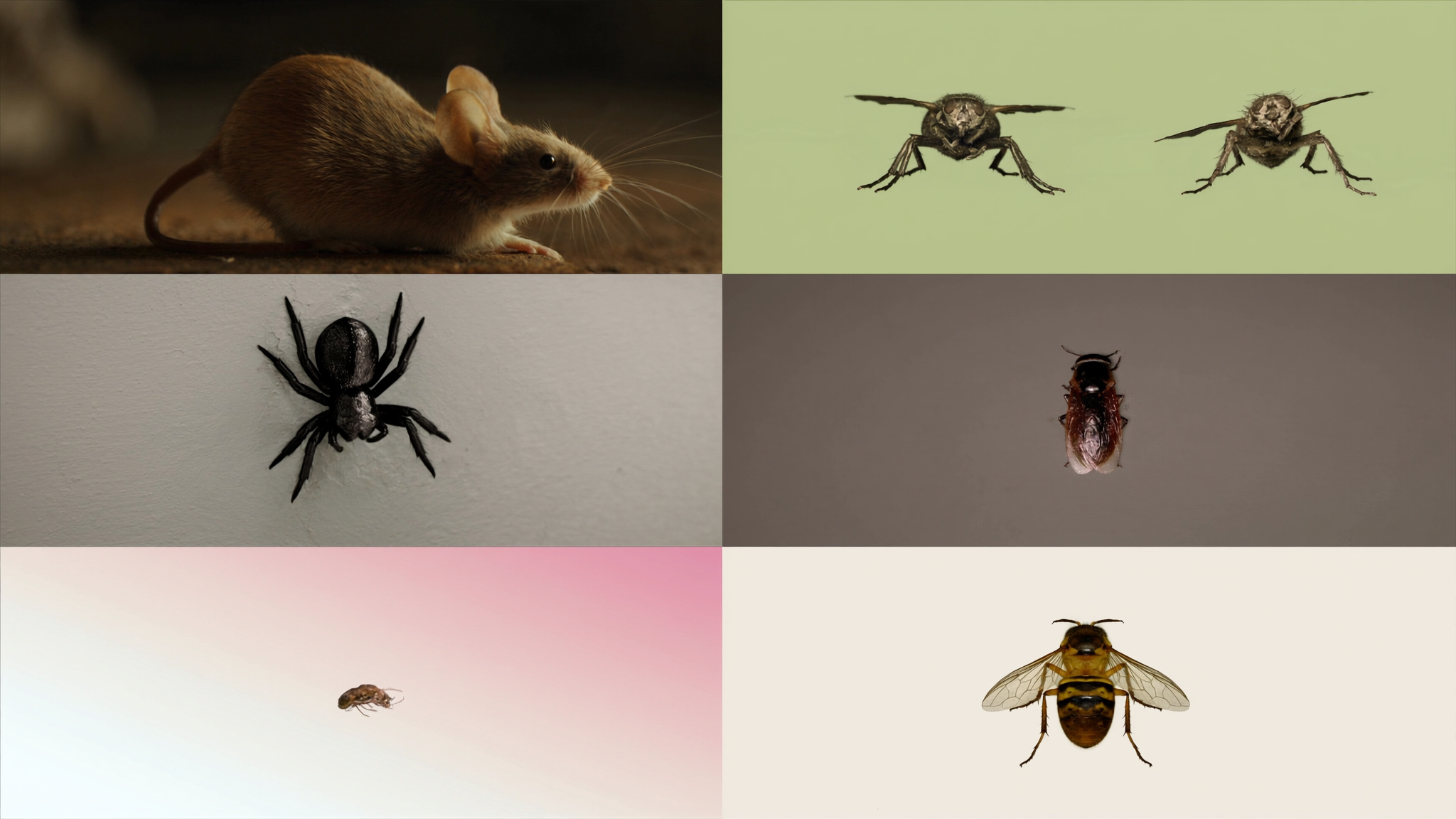
Every spring, Indianapolis homes go from “barely seeing a bug all winter” to finding ants in the kitchen, spiders in the basement, and wasps scouting eaves — all within a week or two of the first warm stretch. That window is what we call the spring pest surge, and in 2026 it’s right on schedule across Marion, Hamilton, Hendricks, Johnson, and surrounding counties.
The surge happens for one simple reason: pests that have been overwintering in wall voids, soil, mulch beds, and attic insulation become active when ground temperatures hit roughly 50–60°F. In Central Indiana, that’s typically late April through mid-May. Once they’re active, they’re hungry, looking for water, and scouting for nesting sites — and your home is one of the warmest, most resource-rich targets in the neighborhood.
If you’re already noticing more bug activity around your house this week, you’re not imagining it. Here’s exactly which pests are emerging right now in our service area, why early treatment matters, and what you can do this week to stay ahead of an infestation.
The 7 Pests Showing Up Right Now in Indianapolis-Area Homes
We track call volume by pest type across Indianapolis, Carmel, Fishers, Noblesville, Greenwood, and 17 other Central Indiana cities. These are the seven pests our team is responding to most often this week.
1. Odorous House Ants and Pavement Ants
Ant calls jump roughly 4x in May. Both species nest in soil, mulch beds, and under driveways, and follow pheromone trails into kitchens hunting sugar and grease. If you see one ant, there are usually 3,000–5,000 more nearby in the colony. DIY sprays kill the foragers but leave the queen producing replacements. Professional ant control targets the colony directly with non-repellent baits the workers carry home.
2. House Spiders and Cellar Spiders
Spiders that wintered in basements, garages, and crawl spaces are coming up to ground level looking for the insects that just emerged. You’ll see more webs in window corners, basement stairwells, and garage ceilings. Most are harmless, but Central Indiana also has the brown recluse and the wolf spider — and those are the calls we take most seriously. If you’re seeing spiders daily in lived-in areas of the house, that’s the trigger to schedule spider control.
3. Carpenter Ants (and Why They Get Confused with Termites)
Large black ants with wings showing up in your kitchen or near windowsills aren’t always carpenter ants — sometimes they’re swarming termites, which look almost identical at a glance. The difference matters: carpenter ants damage wood for nesting; termites eat it for food. Both cause structural damage, but the treatment is completely different. If you see winged ants this month, snap a photo and call us — we’ll ID them on the phone. Carpenter ant treatment and termite control are different services for a reason.
4. Paper Wasps and Yellow Jackets (Nest-Building Phase)
The first wasps you see in April and May are queens — they’re scouting nest sites, not aggressive yet. This is the easiest time of the season to prevent a nest. Once a nest is established (June–July), removal gets harder, more expensive, and more dangerous. Common nest sites in Central Indiana homes: under deck railings, inside grill covers, behind shutters, in soffit corners, and in unused mailboxes. Knock down small starter nests early. For anything bigger than a quarter, call wasp and hornet control — DIY removal is how people end up in the ER.
5. Mosquitoes (Earlier Than Usual This Year)
Standing water from spring rain plus warm overnight temperatures means mosquito breeding has started. The first generation of biters typically shows up by mid-May in Indy. Bi-weekly yard treatments through October knock down the adult population around your home before it builds up. We start mosquito treatment programs in May for most of our recurring customers — earlier you start, fewer bites all summer.
6. Mice and Rats Looking for New Spring Nests
Rodent activity dips slightly when babies are being weaned in late spring, then ramps back up. If you saw mouse evidence in the winter and didn’t address it, the population has been growing in your walls for months. Spring is the time to seal entry points and bait remaining colonies before summer when food sources push them deeper into the home. Rodent control includes exclusion (sealing entry points) which is critical — bait alone isn’t enough.
7. Cockroaches (German and American)
Cockroach populations don’t actually spike in spring — they’re year-round indoor pests in Indianapolis. But spring is when most homeowners notice them, because longer daylight means people spend more time in the kitchen at night and catch them on the move. If you’ve seen even one cockroach, there are dozens. Cockroach control is one of the few pest issues where same-week treatment is genuinely urgent — they reproduce that fast.
Why Spring Treatment Costs Less Than Summer Emergency Service
There’s a math problem most homeowners don’t realize they’re solving: a $179 spring perimeter treatment in May prevents the $400-$800 emergency call you’d otherwise make in July when the wasp nest is the size of a basketball or the ant trails have spread to three rooms.
We see this every summer — homeowners who skipped spring treatment calling in panic during a kid’s birthday party because there are wasps everywhere, or after their toddler’s first ant sting. The pests don’t go away on their own. They just get worse and more expensive to remove.
What You Can Do This Week (Before Calling Anyone)
Some of the most effective spring pest prevention is free. Walk your property this weekend and check these five things — fixing them blocks the most common entry points pests use.
- Trim shrubs and tree branches back 18 inches from siding. Branches touching the house are highways for ants, spiders, and squirrels.
- Inspect your foundation for gaps wider than a pencil. Mice can squeeze through a 1/4-inch hole. Seal with steel wool + caulk or expanding foam.
- Clear leaf litter and mulch within 12 inches of the foundation. Wet mulch right against the house is prime ant and spider nesting habitat.
- Check window screens for rips and gaps. Stink bugs, wasps, and flies all enter through screen gaps you’d never notice from inside.
- Empty anything holding standing water. Plant saucers, bird baths, kid pools, clogged gutters, tarp folds — mosquitoes need 4–7 days in still water to breed.
If you do those five things and still see significant pest activity within 7–10 days, that’s the signal to bring in a professional inspection. We do free, no-obligation inspections across our entire Central Indiana service area.
Our Spring Service Area in Central Indiana
Bugz Bug Me Pest Control serves residential and commercial customers across 22 cities in Central Indiana, including:
Indianapolis, Carmel, Fishers, Noblesville, Westfield, Zionsville, Greenwood, Avon, Plainfield, Brownsburg, Mooresville, Franklin, Greenfield, Shelbyville, New Palestine, New Castle, McCordsville, Fortville, Whiteland, Beech Grove, Southport, and Camby.
Most of our service area is within 30 minutes of our Indianapolis office, which means same-week scheduling for almost every spring pest call. We’re a locally-owned company with a 5.0-star rating from 288 customer reviews, EPA-approved treatments, and pet-safe and family-safe options on every service.
Schedule Your Spring Inspection — Free, No Obligation
The best time to handle spring pests is the week before you actually see them. The second-best time is right now, when populations are still small and manageable.
Call (317) 221-9968 or request a free quote online. We’ll walk your property, identify any active issues, and give you a transparent quote with no upsells. If you don’t have a pest problem, we’ll tell you that too.