
Carpenter Ant Control in Indianapolis & Central Indiana
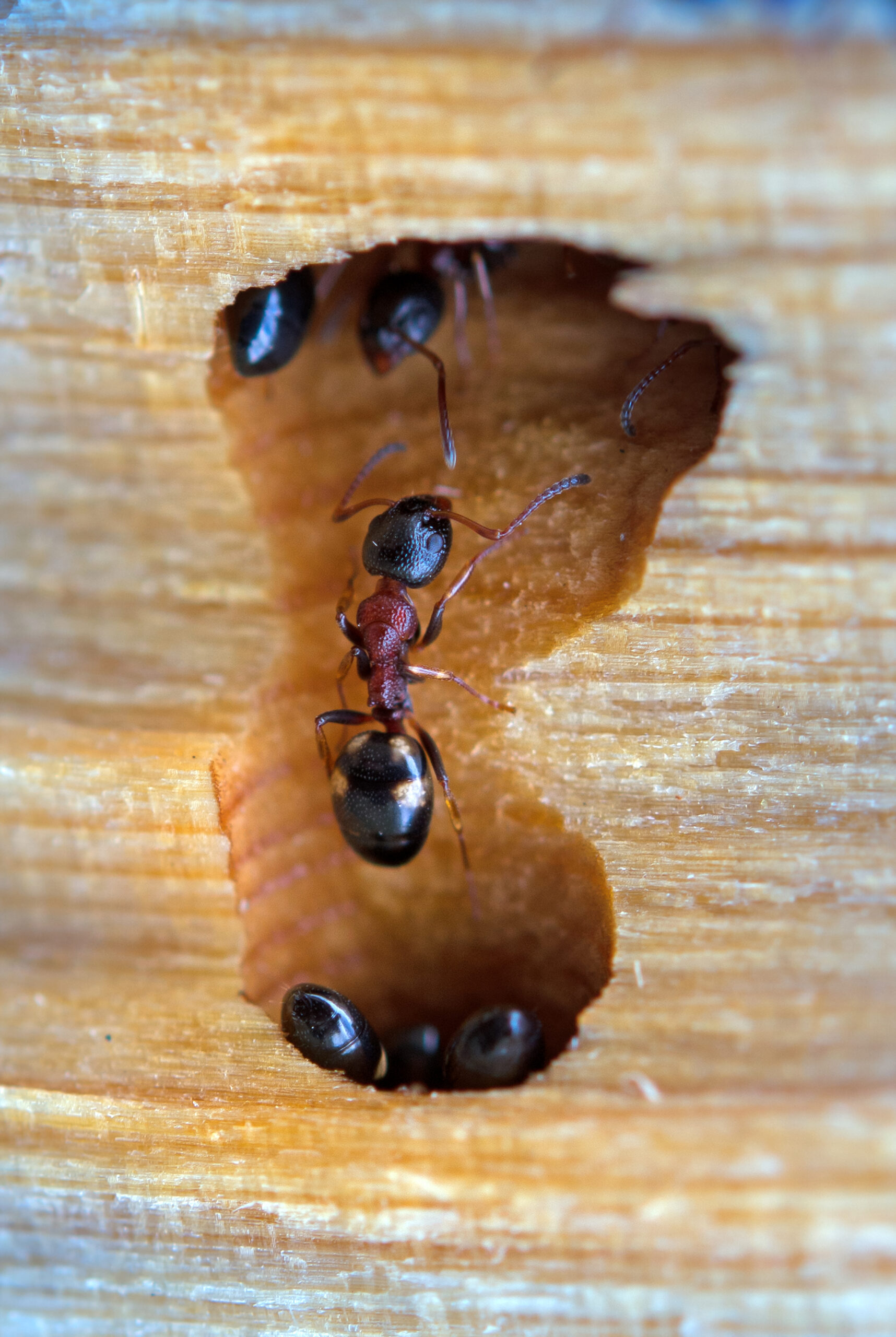
Carpenter ants can cause serious damage to your home by tunneling through wood, weakening structures before you even notice. If you’re looking for “carpenter ant control near me,” you deserve a service that understands your concerns and delivers effective, lasting results.
Carpenter ants are one of the most damaging wood-destroying pests in Indianapolis homes — second only to Eastern subterranean termites. Bugz Bug Me locates parent colonies, treats moisture-prone areas, and protects homes across central Indiana.
Our experienced team provides thorough inspections, targeted treatments, and preventive advice to keep your home safe from these destructive pests. We use methods that are not only proven to work but are also safe for your family and pets.
Whether you need general carpenter ant control or specialized carpenter ants pest control, our service is designed to help you reclaim a secure, pest-free home with peace of mind.
Get a free estimate
Fast, Reliable, and Eco-Friendly Pest Solutions Tailored to Your Needs

Stop Carpenter Ants Before They Cause Damage
How Bugz Bug Me Handles Carpenter Ants
Prevent Carpenter Ants from Returning
Getting rid of carpenter ants is just the first step; we also want to help you keep them from returning. Our team will share useful advice to make your home less attractive to carpenter ants. Simple actions can make a big difference!
For example, keep areas around your home dry and clean, and be careful not to leave food out. Fix any leaks, seal gaps, and store firewood away from your home.
These small changes can help prevent future infestations. If you’re looking for more tips on how to keep carpenter ants away, just reach out to us!
Pest Control Service Areas in Central Indiana
Bugz Bug Me proudly serves homes and businesses across the Indianapolis metro area, including:
- Indianapolis
- Avon
- Beech Grove
- Brownsburg
- Camby
- Carmel
- Fishers
- Fortville
- Franklin
- Greenfield
- Greenwood
- McCordsville
- Mooresville
- New Castle
- New Palestine
- Noblesville
- Plainfield
- Shelbyville
- Southport
- Westfield
- Whiteland
- Zionsville
Don't see your city? Call (317) 221-9968 — we likely service your area too.
Find Us / Service Area
Frequently Asked Questions
How do I know if I have carpenter ants vs. regular ants?
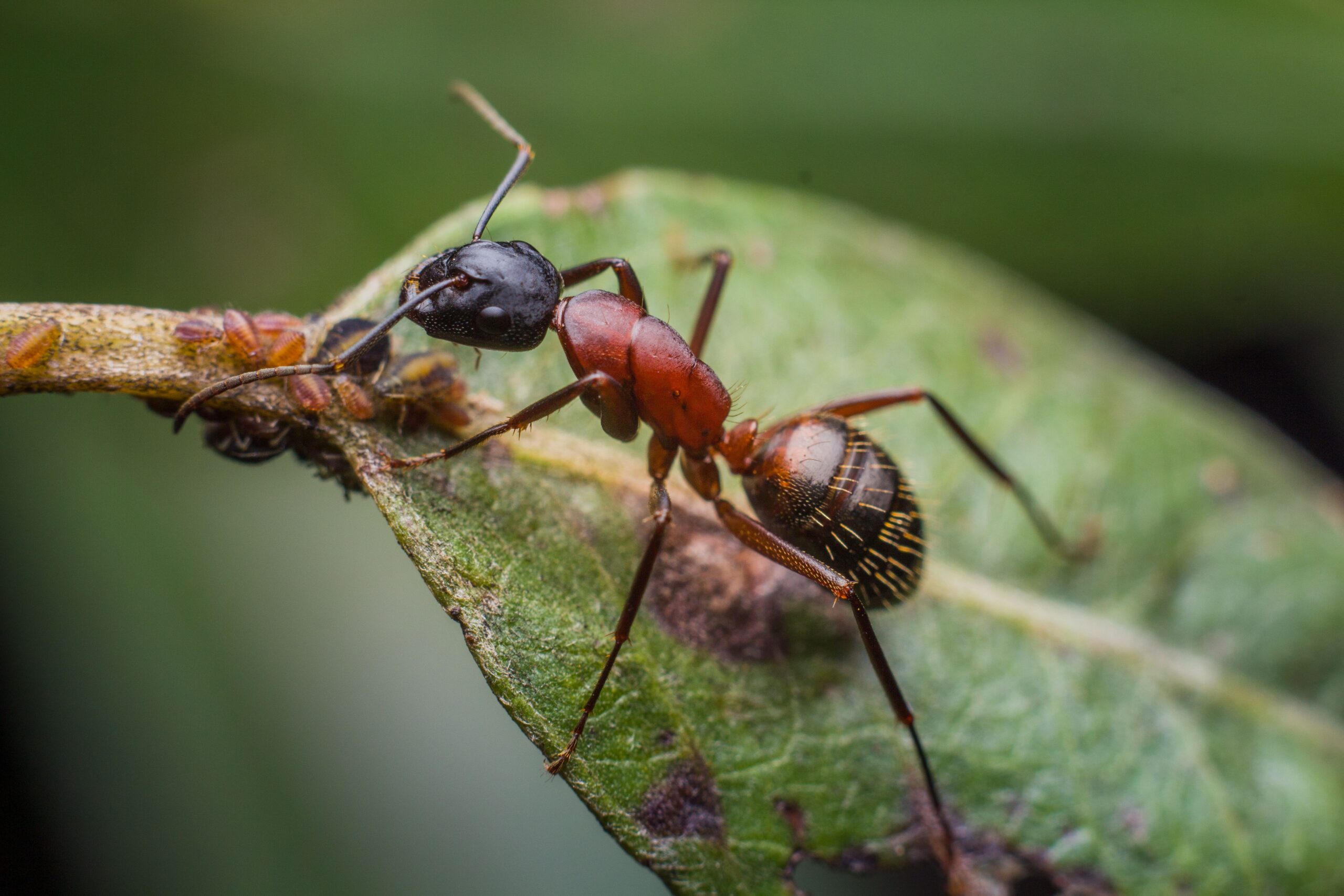
Carpenter ants are larger (about 1/2 inch) and usually black, sometimes with a reddish tint. The biggest tell is sawdust-like shavings (frass) near baseboards, windows, or wood structures. Carpenter ants do not eat wood — they tunnel through it to nest, leaving smooth galleries behind. If you see winged ants indoors in spring, that is a strong sign of an established colony.
Can carpenter ants damage my Indianapolis home?
Yes, although the damage is slower than termite damage. Carpenter ants prefer damp or previously water-damaged wood, so leaky roofs, decks, and basement framing are common targets. Left untreated, an established colony can compromise structural wood over several years.
Are carpenter ants the same as termites?
No. Carpenter ants are larger, have bent antennae, and a pinched waist. Termites have straight antennae and a uniform body. Carpenter ants leave sawdust frass; termites leave mud tubes and seal their tunnels. The treatment approach is different for each, so correct identification matters.
How does Bugz Bug Me treat carpenter ants?
We locate the parent colony (which is often outdoors in a tree, stump, or woodpile) plus any indoor satellite nests. We then use targeted non-repellent products and baits that workers carry back to the queen. We also identify and recommend fixes for the moisture sources that attracted them in the first place.
How long does carpenter ant treatment take to work?
You will see fewer ants within a few days, but full colony elimination usually takes 3 to 6 weeks because the bait has to reach the queen. We follow up to confirm activity has stopped completely.
Will carpenter ants return after treatment?
Not from the same colony if we eliminate the queen — but new colonies can establish if conducive conditions remain. Fixing wood-to-ground contact, sealing entry points, and reducing exterior moisture is essential. We include this guidance with every treatment.