

Contents
The Homeowner’s Guide to Ant Control in Greenwood: Safe, Effective, and Local Solutions
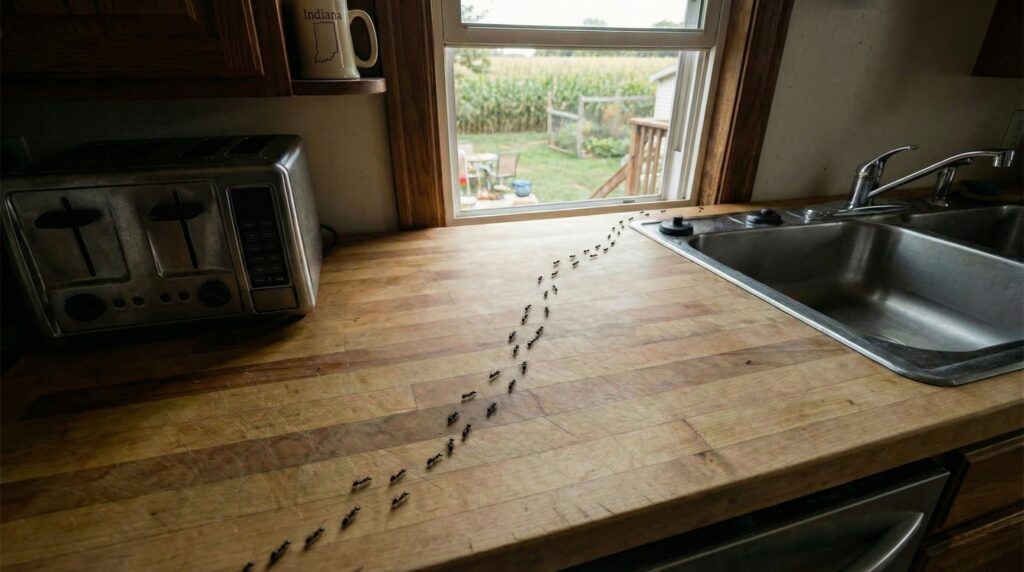
If you keep finding ant trails from the mulch beds around Greenwood Park Mall or crumbs in a Center Grove kitchen, this guide on ant control greenwood will show how to identify pavement ants, odorous house ants, and carpenter ants and take low-toxicity steps that actually work. Read on for simple weekend inspections, landscape fixes near Freedom Springs and downtown Greenwood, safe treatment options, and clear rules for when to call a professional.
Why Greenwood climate and neighborhood patterns influence ant activity
Understanding Ant Control in Greenwood: Key Strategies for Homeowners
Ant pressure in Greenwood follows the weather and the way people shape the landscape. Humidity spikes in late spring and steady summer heat create the moisture pockets ants need to thrive, while fall scouting behavior sends workers inside buildings looking for overwintering sites. For anyone comparing options for ant control greenwood, that seasonal rhythm determines when prevention will work and when treatments are necessary.
How seasonality changes what actually works
Spring and early summer are baiting windows, not spray windows. Many worker ants are actively foraging then and will carry slow-acting baits back to the colony. Heavy irrigation or a week of storms reduces bait acceptance and forces technicians to shift to moisture fixes or timed services. Practical limitation: baits fail when food is abundant or when temperature extremes make bait unattractive, so timing matters more in Greenwood than in drier regions.
Local landscaping and infrastructure create consistent hotspots. Commercial planting beds around Greenwood Park Mall and downtown decorative mulch are reliably attractive to odorous house ants and pavement ants. Older Center Grove homes with shallow crawl spaces and properties near White River tributaries develop damp wood and soil conditions that invite carpenter ants. That pattern explains why the same properties often call repeatedly for ant extermination Greenwood technicians.
Concrete Example: A homeowner near Freedom Springs found trails from a mulch bed into the kitchen. A quick species check identified odorous house ants; the technician placed sugar baits on the trail, pulled mulch 12 inches from the foundation, and advised a minor grading change to improve drainage. Trails dropped within a week and follow up two weeks later confirmed activity was controlled, illustrating how simple landscape changes plus targeted baiting are more durable than spot spraying.
Decision tradeoff to weigh: moving mulch and fixing drainage reduces future treatments but alters plant health and aesthetics. Some property managers choose more frequent monitoring instead of removing all mulch. For commercial sites near high foot traffic, such as retail landscaping, the faster option may be scheduled baits and exclusion work rather than wholesale landscape change.
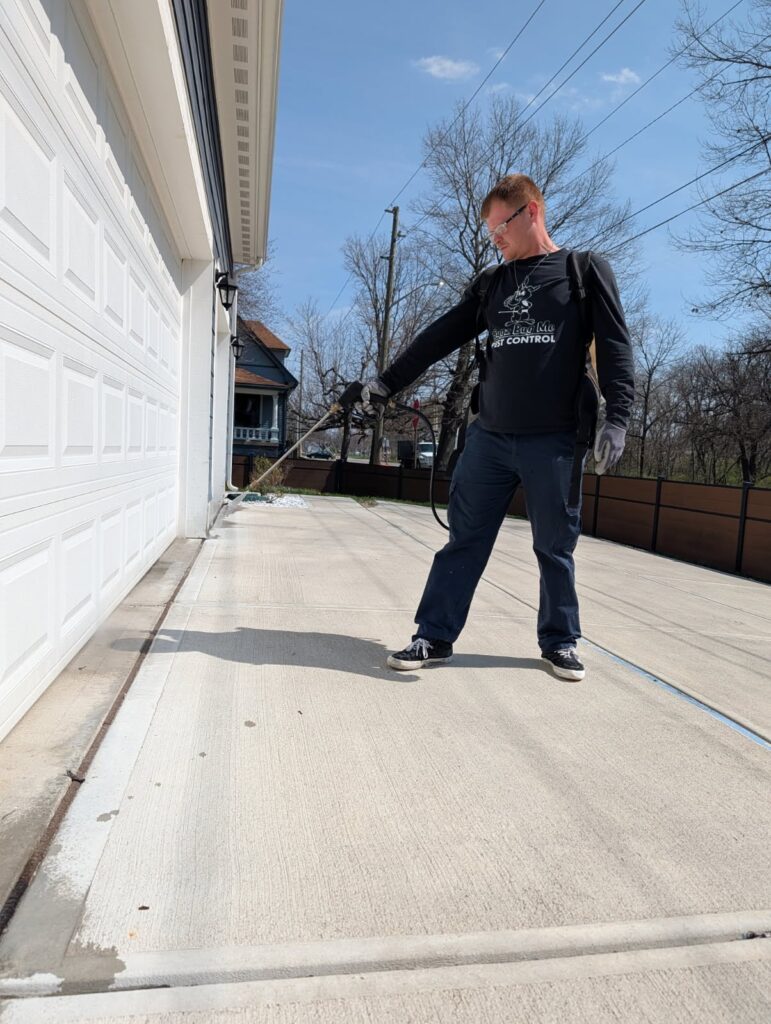
What we recommend next: Schedule an inspection after a dry period in late spring or early summer and share photos of trails or nesting spots with your technician. For hands on service, see our ant service page at Bugz Bug Me Ant Services and for identification and IPM context refer to Purdue Extension.
Frequently Asked Questions
We hear the same three practical concerns from Greenwood homeowners: timing, safety, and whether to call a pro. Below are concise, locally grounded answers so you can act quickly and with the right expectations.
How long before baiting shows results in a Greenwood home?
Short answer: expect measurable reduction in worker trails in days, colony decline over a few weeks. Practical limitation: heavy outdoor food sources, recent heavy rain, or continuous sweet residue will slow bait acceptance and stretch the timeline. In our experience here, baiting during a dry spell in late spring gives the best payoff.
Are eco-friendly options actually effective?
Yes, when used as part of Integrated Pest Management. Eco-friendly baits, targeted nonrepellent products, and exclusion work reduce chemical use and control colonies effectively for odorous house ants and pavement ants common around Greenwood Park Mall and Center Grove. Tradeoff: these methods are slower than a broad spray but avoid disrupting forager behavior and reduce reinfestation risk.
When should I stop DIY attempts and call Bugz Bug Me?
Call us if you find wood debris, repeated sightings after proper bait placement, or multiple units are affected. Carpenter ant activity, evidence of nesting in wall voids, or persistent trails despite home baiting usually mean colony access or moisture issues that need a technician and moisture remediation.
Will landscaping changes really reduce future ant problems?
Landscape adjustments matter in Greenwood. Pulling mulch 6 to 12 inches from foundations, elevating firewood, and improving grading near storm drains around downtown or near the White River tributaries cuts suitable habitat for colonies. Consideration: large commercial beds may need scheduled baiting instead of complete mulch removal for aesthetics and tenant expectations.
How much should I budget for inspection and treatment?
Costs vary by species and scope; think of it as a small repair vs a remodel. Simple baiting and exclusion for a single-family kitchen is one price band; carpenter ant gallery work and structural moisture fixes are higher. Contact us for a no obligation quote and same-day scheduling via Bugz Bug Me Ant Services.
Concrete example: A landlord near Greenwood Park Mall had recurring pavement ant complaints from several rental units. We did a one-time inspection, set exterior granular baits around paved edges, adjusted mulch placement, and moved to quarterly monitoring. Complaints dropped to zero within three weeks and stayed down because we removed the outdoor source rather than repeatedly spraying inside units.
If you notice wood shavings, a damp crawl space, or persistent trails at night, consider that a sign to escalate beyond DIY.
Next actions: send photos via our contact page, pull mulch 6–12 inches from your foundation, store pet food sealed overnight, and schedule an inspection after a dry period. These steps preserve bait effectiveness and help us target the right treatment quickly.