Professional Ant Exterminating Services: Eliminate Colonies Fast

by | Dec 9, 2025 | Uncategorized

Get a free estimate

Fast, Reliable, and Eco-Friendly Pest Solutions Tailored to Your Needs

Professional Ant Exterminating Services: Eliminate Colonies Fast

Understanding Ant Behavior and Colonization Patterns

Ever wonder how a handful of ants can turn into a full-blown infestation seemingly overnight? It’s not magic; it’s their impressive colonization skills. Ants are social insects that thrive in organized colonies, and understanding their behavior is key to effective ant exterminating.

Take the common house ant, for example. These little critters can establish colonies of thousands within just a few weeks. If you spot one or two scuttling across your kitchen counter, there’s a good chance they’ve already sent out scouts to find food sources and rally their friends. Before you know it, what started as a minor inconvenience can morph into an army marching through your pantry.

The Life Cycle of an Ant Colony

Ant colonies go through several phases: from the queen laying eggs to those eggs hatching into larvae, which eventually mature into worker ants. Worker ants then take on various roles, including foraging for food, caring for the queen's offspring, and defending the nest. This division of labor is what makes them so efficient — they’re like a well-oiled machine, but with more legs.

  • Queens: The egg-laying machines.
  • Workers: The busy bees (or ants) doing all the hard work.
  • Drones: Males that have one job — mate with queens before dying.

Colonization Patterns

Ants are not just wandering around aimlessly; they follow pheromone trails laid down by their fellow workers. This means that if one ant finds food, it will leave a trail back to the colony, essentially sending out invitations for its buddies. This behavior not only helps them gather resources efficiently but also plays a significant role in how quickly infestations can grow.

Did you know that ant infestations rank among the top three pest problems in homes? – Source: Orkin

As colonies expand, they often create satellite nests nearby. This means that even if you successfully eliminate one colony, others may be lurking just out of sight ready to invade your space again. This is why DIY methods often fall short; without understanding these patterns, you're merely putting a Band-Aid on a much larger issue.

Key takeaway: Effective ant exterminating requires more than just killing visible ants; it necessitates an understanding of their complex behaviors and colonization patterns.

Ever wonder how a handful of ants can turn into a full-blown infestation seemingly overnight? It’s not magic; it’s their impressive colonization skills. Ants are social insects that thrive in organized colonies, and understanding their behavior is key to effective ant exterminating.

Take the common house ant, for example. These little critters can establish colonies of thousands within just a few weeks. If you spot one or two scuttling across your kitchen counter, there’s a good chance they’ve already sent out scouts to find food sources and rally their friends. Before you know it, what started as a minor inconvenience can morph into an army marching through your pantry.

The Life Cycle of an Ant Colony

Ant colonies go through several phases: from the queen laying eggs to those eggs hatching into larvae, which eventually mature into worker ants. Worker ants then take on various roles, including foraging for food, caring for the queen's offspring, and defending the nest. This division of labor is what makes them so efficient — they’re like a well-oiled machine, but with more legs.

  • Queens: The egg-laying machines.
  • Workers: The busy bees (or ants) doing all the hard work.
  • Drones: Males that have one job — mate with queens before dying.

Colonization Patterns

Ants are not just wandering around aimlessly; they follow pheromone trails laid down by their fellow workers. This means that if one ant finds food, it will leave a trail back to the colony, essentially sending out invitations for its buddies. This behavior not only helps them gather resources efficiently but also plays a significant role in how quickly infestations can grow.

Did you know that ant infestations rank among the top three pest problems in homes? – Source: Orkin

As colonies expand, they often create satellite nests nearby. This means that even if you successfully eliminate one colony, others may be lurking just out of sight ready to invade your space again. This is why DIY methods often fall short; without understanding these patterns, you're merely putting a Band-Aid on a much larger issue.

Key takeaway: Effective ant exterminating requires more than just killing visible ants; it necessitates an understanding of their complex behaviors and colonization patterns.

Assessment Techniques for Effective Extermination

Imagine waking up to find your kitchen counter transformed into an all-you-can-eat buffet for ants. It’s not just a nuisance; it’s a full-on invasion! To effectively tackle this problem, it’s crucial to employ precise assessment techniques before launching into extermination.

Identifying Ant Species

Not all ants are created equal. Different species have distinct behaviors and nesting habits, which means the one-size-fits-all approach simply won’t cut it. For instance, carpenter ants love wood and can cause structural damage, while sugar ants are more interested in your sweet stash. By identifying the species, pest control professionals can tailor their exterminating strategies effectively.

Conducting a Thorough Inspection

A meticulous inspection is like a detective gathering evidence at a crime scene. Pest control experts will look for signs such as ant trails, nests, and entry points. This process often involves checking hidden areas like behind appliances or inside walls where colonies might be hiding out of sight.

  • Look for trails: Follow the lines of ants to locate their nest.
  • Inspect food sources: Check pantries and countertops for crumbs or spills.
  • Check moisture areas: Many ant species thrive in damp environments.

Utilizing Technology

Old school methods are great, but sometimes you need a little tech magic. Modern pest control services often use thermal imaging cameras to detect heat signatures from hidden nests or moisture meters to find those pesky damp spots that attract ants. This high-tech approach can reveal problems that aren’t visible to the naked eye.

The right assessment technique can save you time and money by pinpointing the root of the problem.

Key takeaway: Effective ant exterminating starts with accurate assessments — know your enemy before you strike!

Monitoring After Treatment

In summary, effective ant exterminating isn’t just about spraying insecticide; it requires careful assessment techniques that include identifying species, thorough inspections, utilizing technology, and ongoing monitoring after treatment. The next time you face an ant invasion, remember: knowledge is power!

Imagine waking up to find your kitchen counter transformed into an all-you-can-eat buffet for ants. It’s not just a nuisance; it’s a full-on invasion! To effectively tackle this problem, it’s crucial to employ precise assessment techniques before launching into extermination.

Identifying Ant Species

Not all ants are created equal. Different species have distinct behaviors and nesting habits, which means the one-size-fits-all approach simply won’t cut it. For instance, carpenter ants love wood and can cause structural damage, while sugar ants are more interested in your sweet stash. By identifying the species, pest control professionals can tailor their exterminating strategies effectively.

Conducting a Thorough Inspection

A meticulous inspection is like a detective gathering evidence at a crime scene. Pest control experts will look for signs such as ant trails, nests, and entry points. This process often involves checking hidden areas like behind appliances or inside walls where colonies might be hiding out of sight.

  • Look for trails: Follow the lines of ants to locate their nest.
  • Inspect food sources: Check pantries and countertops for crumbs or spills.
  • Check moisture areas: Many ant species thrive in damp environments.

Utilizing Technology

Old school methods are great, but sometimes you need a little tech magic. Modern pest control services often use thermal imaging cameras to detect heat signatures from hidden nests or moisture meters to find those pesky damp spots that attract ants. This high-tech approach can reveal problems that aren’t visible to the naked eye.

The right assessment technique can save you time and money by pinpointing the root of the problem.

Key takeaway: Effective ant exterminating starts with accurate assessments — know your enemy before you strike!

Monitoring After Treatment

In summary, effective ant exterminating isn’t just about spraying insecticide; it requires careful assessment techniques that include identifying species, thorough inspections, utilizing technology, and ongoing monitoring after treatment. The next time you face an ant invasion, remember: knowledge is power!

Chemical vs. Non-Chemical Extermination Methods

When it comes to ant exterminating, the debate between chemical and non-chemical methods can feel like choosing between a sledgehammer and a scalpel. Both have their merits, but which one truly gets the job done without leaving you with a side of regret?

Let’s talk numbers: according to the National Pest Management Association, nearly 70% of homeowners prefer chemical treatments for pest control. But just because it's popular doesn’t mean it’s always the best route. Some folks are waking up to the fact that there are alternatives that won’t leave them feeling like they’ve turned their home into a science experiment.

Chemical Extermination: The Heavy Hitter

Chemical extermination methods typically involve insecticides that can be sprayed or baited around your home. These products work quickly and effectively, often eliminating visible ants in just a matter of hours. However, there’s more to this story than meets the eye.

  • Fast action: Chemicals can kill ants on contact.
  • Residual effects: Some chemicals continue working long after application.
  • Widespread availability: Many chemical products are easy to find in stores.

But wait! Before you stock up on those neon-colored bottles, consider this: chemical extermination can lead to resistant ant populations over time. It’s like playing whack-a-mole — you knock one down, and another pops right back up. Not to mention, if you have pets or small children running around, those chemicals can pose serious health risks.

Key takeaway: While effective for quick fixes, chemical methods can create long-term issues if not used responsibly.

Non-Chemical Extermination: The Gentle Approach

Non-chemical might sound like a buzzword from an organic grocery store, but these methods are gaining traction in pest control circles for good reason. They focus on prevention and exclusion rather than outright annihilation.

  • Boric acid: A natural compound that's lethal to ants but safe for humans and pets when used correctly.
  • Diatomaceous earth: This powdery substance dehydrates ants upon contact — think of it as nature's version of sandpaper.
  • Essential oils: Certain oils (like peppermint) act as natural repellents without harmful side effects.

These methods may take longer to show results compared to their chemical counterparts, but they often lead to more sustainable outcomes by addressing the root causes of infestations rather than just treating symptoms.

Consider your environment! Non-chemical options are often safer for homes with kids and pets.

Finding Balance

So what's the verdict? The best approach often lies in a combination of both methods tailored to your specific situation. For example, using non-chemical strategies for prevention while reserving chemical treatments for serious infestations can strike the right balance between effectiveness and safety.

As you embark on your ant exterminating journey, keep in mind that understanding your options is crucial. Whether you're going full-on Rambo with chemicals or opting for a more Zen-like approach with non-chemicals, knowing when and how to use each method will help keep those pesky invaders at bay without compromising your peace of mind.

When it comes to ant exterminating, the debate between chemical and non-chemical methods can feel like choosing between a sledgehammer and a scalpel. Both have their merits, but which one truly gets the job done without leaving you with a side of regret?

Let’s talk numbers: according to the National Pest Management Association, nearly 70% of homeowners prefer chemical treatments for pest control. But just because it's popular doesn’t mean it’s always the best route. Some folks are waking up to the fact that there are alternatives that won’t leave them feeling like they’ve turned their home into a science experiment.

Chemical Extermination: The Heavy Hitter

Chemical extermination methods typically involve insecticides that can be sprayed or baited around your home. These products work quickly and effectively, often eliminating visible ants in just a matter of hours. However, there’s more to this story than meets the eye.

  • Fast action: Chemicals can kill ants on contact.
  • Residual effects: Some chemicals continue working long after application.
  • Widespread availability: Many chemical products are easy to find in stores.

But wait! Before you stock up on those neon-colored bottles, consider this: chemical extermination can lead to resistant ant populations over time. It’s like playing whack-a-mole — you knock one down, and another pops right back up. Not to mention, if you have pets or small children running around, those chemicals can pose serious health risks.

Key takeaway: While effective for quick fixes, chemical methods can create long-term issues if not used responsibly.

Non-Chemical Extermination: The Gentle Approach

Non-chemical might sound like a buzzword from an organic grocery store, but these methods are gaining traction in pest control circles for good reason. They focus on prevention and exclusion rather than outright annihilation.

  • Boric acid: A natural compound that's lethal to ants but safe for humans and pets when used correctly.
  • Diatomaceous earth: This powdery substance dehydrates ants upon contact — think of it as nature's version of sandpaper.
  • Essential oils: Certain oils (like peppermint) act as natural repellents without harmful side effects.

These methods may take longer to show results compared to their chemical counterparts, but they often lead to more sustainable outcomes by addressing the root causes of infestations rather than just treating symptoms.

Consider your environment! Non-chemical options are often safer for homes with kids and pets.

Finding Balance

So what's the verdict? The best approach often lies in a combination of both methods tailored to your specific situation. For example, using non-chemical strategies for prevention while reserving chemical treatments for serious infestations can strike the right balance between effectiveness and safety.

As you embark on your ant exterminating journey, keep in mind that understanding your options is crucial. Whether you're going full-on Rambo with chemicals or opting for a more Zen-like approach with non-chemicals, knowing when and how to use each method will help keep those pesky invaders at bay without compromising your peace of mind.

Integrated Pest Management (IPM) Strategies

Imagine you’re a homeowner who just discovered a battalion of ants marching through your kitchen. You could reach for the nearest can of bug spray, but what if I told you there’s a smarter way to handle this? Enter Integrated Pest Management (IPM), the strategic superhero of ant exterminating.

IPM isn’t just about spraying chemicals and hoping for the best. It’s a holistic approach that combines various tactics to manage ant populations effectively while minimizing risks to people and the environment. Think of it as a tailored suit versus an off-the-rack outfit — one fits perfectly, while the other is just okay.

Understanding Your Ant Adversary

The first step in any IPM strategy is understanding the enemy. Not all ants are created equal; some are merely nuisances, while others can cause structural damage or contaminate food supplies. For example, carpenter ants can chew through wood, creating costly repairs down the line. Knowing which species you’re dealing with allows pest control professionals to tailor their exterminating methods effectively.

Monitoring and Inspection

Once you’ve identified your ant species, monitoring becomes crucial. This means keeping an eye on their activity patterns, food sources, and potential nesting sites. A thorough inspection might reveal hidden nests behind walls or under appliances — places where conventional sprays simply won’t reach.

  • Inspect food storage areas for spills or crumbs.
  • Check for moisture problems that attract certain ant species.
  • Follow trails to locate nests.

Prevention is Better than Cure

An ounce of prevention is worth a pound of cure isn’t just an old adage; it’s IPM’s battle cry! Preventive measures can significantly reduce the likelihood of future infestations. Simple steps like sealing cracks in your home, maintaining clean surfaces, and properly storing food can thwart those tiny invaders before they even think about setting up camp.

Imagine you’re a homeowner who just discovered a battalion of ants marching through your kitchen. You could reach for the nearest can of bug spray, but what if I told you there’s a smarter way to handle this? Enter Integrated Pest Management (IPM), the strategic superhero of ant exterminating.

IPM isn’t just about spraying chemicals and hoping for the best. It’s a holistic approach that combines various tactics to manage ant populations effectively while minimizing risks to people and the environment. Think of it as a tailored suit versus an off-the-rack outfit — one fits perfectly, while the other is just okay.

Understanding Your Ant Adversary

The first step in any IPM strategy is understanding the enemy. Not all ants are created equal; some are merely nuisances, while others can cause structural damage or contaminate food supplies. For example, carpenter ants can chew through wood, creating costly repairs down the line. Knowing which species you’re dealing with allows pest control professionals to tailor their exterminating methods effectively.

Monitoring and Inspection

Once you’ve identified your ant species, monitoring becomes crucial. This means keeping an eye on their activity patterns, food sources, and potential nesting sites. A thorough inspection might reveal hidden nests behind walls or under appliances — places where conventional sprays simply won’t reach.

  • Inspect food storage areas for spills or crumbs.
  • Check for moisture problems that attract certain ant species.
  • Follow trails to locate nests.

Prevention is Better than Cure

An ounce of prevention is worth a pound of cure isn’t just an old adage; it’s IPM’s battle cry! Preventive measures can significantly reduce the likelihood of future infestations. Simple steps like sealing cracks in your home, maintaining clean surfaces, and properly storing food can thwart those tiny invaders before they even think about setting up camp.

Challenges in Ant Extermination and Solutions

Ever tried to wipe out an ant colony only to find them marching back in a week later like they just got the latest gossip? The frustrating reality is that ant exterminating isn’t just about spraying a few chemicals and calling it a day. It's a battle of wits against an army that’s been honing their skills for millions of years.

Take, for example, a bustling café that suddenly finds itself overrun by sugar ants. One moment, they’re blissfully serving lattes; the next, they’re battling tiny invaders who’ve discovered the sweet stash behind the counter. This scenario highlights two significant challenges: identifying the source of the problem and ensuring that it doesn't become a recurring nightmare.

Challenge #1: Identifying Nest Locations

Ants are sneaky little critters; their nests can be hidden in walls, under floors, or even outdoors far from your kitchen. Unless you know exactly where to look, you might be spraying in all the wrong places. This leads to wasted time and resources — not to mention continued frustration as ants continue their relentless march into your home.

Solution: Professional Inspection

Hiring professionals can make all the difference. They come equipped with tools and experience to locate hidden nests effectively. Using thermal imaging or moisture meters, pest control experts can pinpoint where those pesky ants are hiding, allowing for targeted extermination efforts that save both time and money.

Challenge #2: Ant Resistance

Whack-a-mole is often how homeowners describe their experience with ant exterminating. You eliminate one colony only to have another pop up nearby — often more resilient than before! This resistance is due to over-reliance on chemical treatments that kill visible ants but leave behind those who develop immunity.

Did you know? Over 60% of ant species can develop resistance to commonly used insecticides within just a few generations.

Solution: Integrated Pest Management (IPM)

Integrated Pest Management sounds fancy, but it’s basically about being smart with your approach. Instead of relying solely on chemicals, this method combines prevention strategies (like sealing entry points) with targeted treatments that minimize harm to beneficial insects and reduce chances of resistance developing.

Ever tried to wipe out an ant colony only to find them marching back in a week later like they just got the latest gossip? The frustrating reality is that ant exterminating isn’t just about spraying a few chemicals and calling it a day. It's a battle of wits against an army that’s been honing their skills for millions of years.

Take, for example, a bustling café that suddenly finds itself overrun by sugar ants. One moment, they’re blissfully serving lattes; the next, they’re battling tiny invaders who’ve discovered the sweet stash behind the counter. This scenario highlights two significant challenges: identifying the source of the problem and ensuring that it doesn't become a recurring nightmare.

Challenge #1: Identifying Nest Locations

Ants are sneaky little critters; their nests can be hidden in walls, under floors, or even outdoors far from your kitchen. Unless you know exactly where to look, you might be spraying in all the wrong places. This leads to wasted time and resources — not to mention continued frustration as ants continue their relentless march into your home.

Solution: Professional Inspection

Hiring professionals can make all the difference. They come equipped with tools and experience to locate hidden nests effectively. Using thermal imaging or moisture meters, pest control experts can pinpoint where those pesky ants are hiding, allowing for targeted extermination efforts that save both time and money.

Challenge #2: Ant Resistance

Whack-a-mole is often how homeowners describe their experience with ant exterminating. You eliminate one colony only to have another pop up nearby — often more resilient than before! This resistance is due to over-reliance on chemical treatments that kill visible ants but leave behind those who develop immunity.

Did you know? Over 60% of ant species can develop resistance to commonly used insecticides within just a few generations.

Solution: Integrated Pest Management (IPM)

Integrated Pest Management sounds fancy, but it’s basically about being smart with your approach. Instead of relying solely on chemicals, this method combines prevention strategies (like sealing entry points) with targeted treatments that minimize harm to beneficial insects and reduce chances of resistance developing.

Legal and Safety Considerations in Pest Control Services

Did you know that improper pest control practices can lead to hefty fines and even legal action? That's right! In the world of ant exterminating, it’s not just about getting rid of those pesky invaders; it’s also about navigating a maze of regulations designed to protect both people and the environment.

Let’s take a hypothetical scenario: a small restaurant in Indianapolis discovers a thriving colony of sugar ants in their kitchen. They call in a local pest control service that uses unapproved chemicals. Not only could this lead to health violations, but if a customer were to suffer an allergic reaction, the restaurant could face lawsuits. Yikes!

Understanding Regulations

Before embarking on any extermination mission, it's crucial for pest control professionals to be well-versed in local and federal regulations regarding pesticide use. The Environmental Protection Agency (EPA) oversees the registration of pesticides, ensuring they meet safety standards. Each state may have additional rules that dictate how these substances can be applied.

For instance, some pesticides are restricted or banned entirely in certain areas due to their potential harm to wildlife or human health. A reputable pest control service should always stay updated on these regulations and provide transparency about the products they use.

Safety Protocols

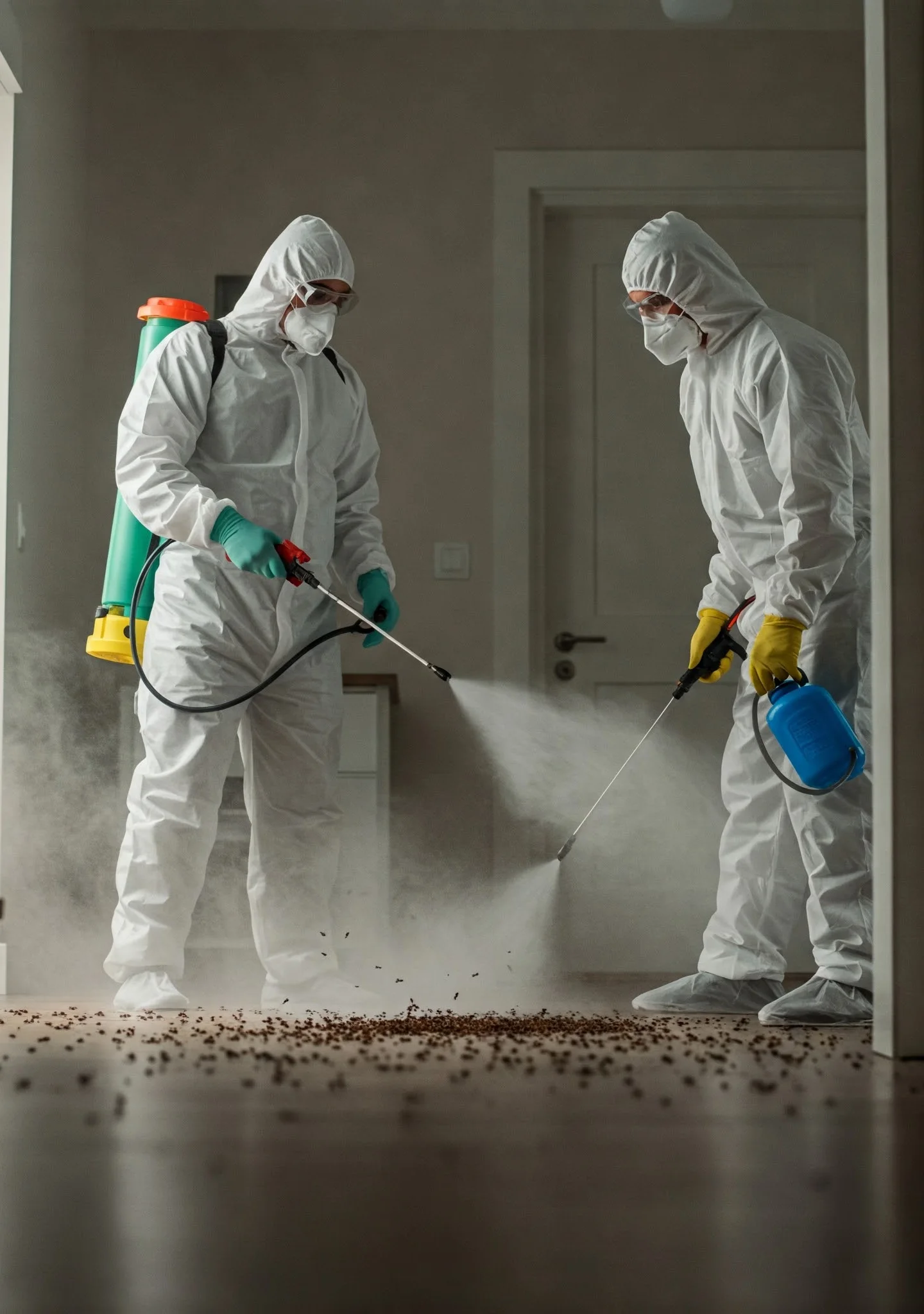
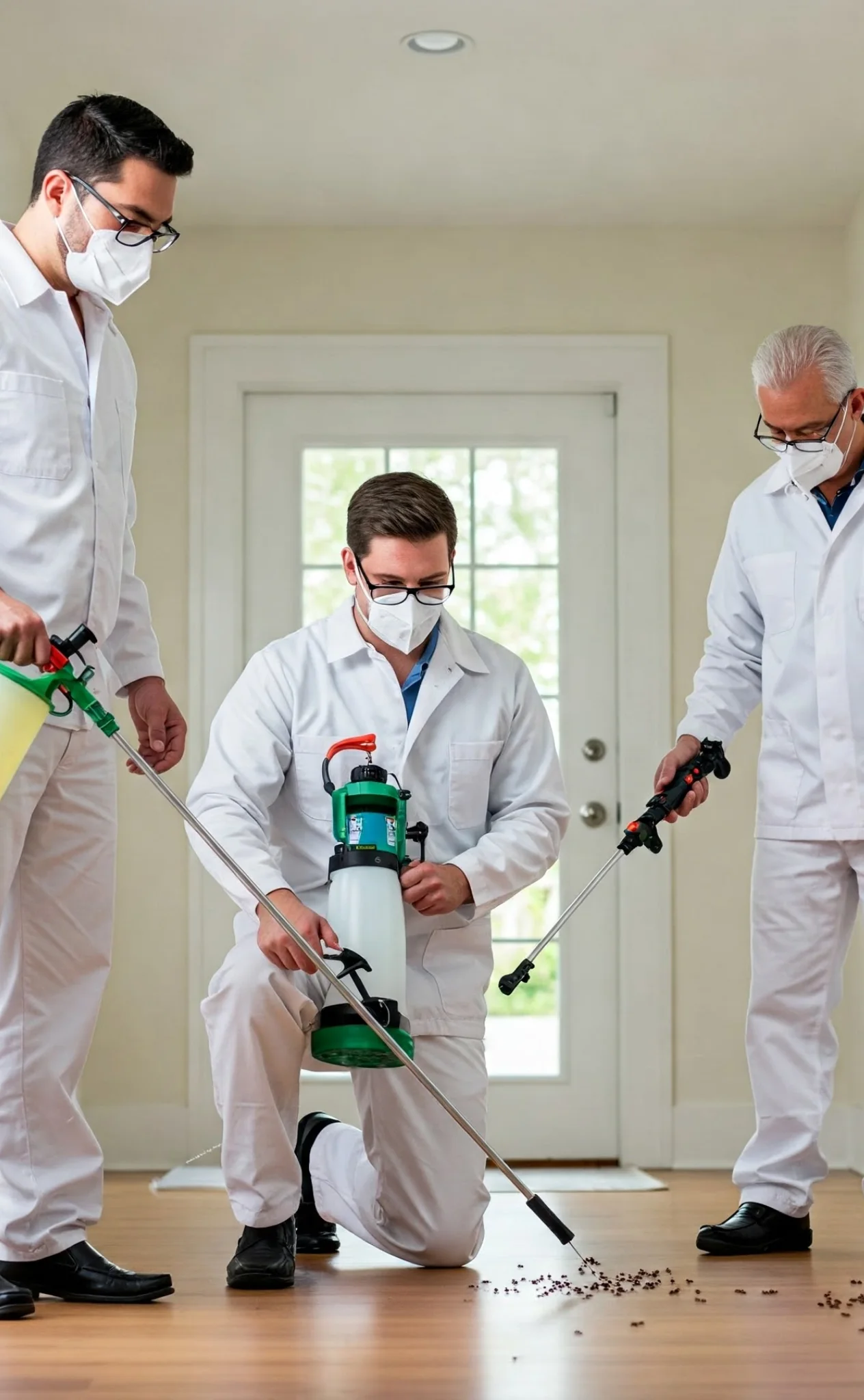
Safety isn’t just a buzzword; it’s an essential part of effective ant exterminating. Pest control technicians should follow strict safety protocols when applying chemicals. This includes wearing protective gear like gloves and masks, ensuring proper ventilation during treatments, and adhering to recommended application rates.

Important: Always inform your pest control provider about any allergies or sensitivities before treatment begins.

But wait! What if you or your loved ones are sensitive to chemicals? This is where non-chemical alternatives come into play. Many modern pest control companies offer eco-friendly solutions that minimize risks while still being effective against ant infestations.

Key takeaway: Legal compliance and safety protocols are non-negotiable in professional ant exterminating services — always opt for certified providers who prioritize your well-being.

Liability Insurance

Here’s another kicker: Liability insurance is not just for show; it protects both the service provider and the client. If something goes wrong during the treatment process — say, accidental damage while applying treatments — having insurance ensures that both parties are covered.

In conclusion, navigating legal and safety considerations is paramount when engaging with pest control services. From understanding regulations to ensuring safety protocols are followed diligently, these factors play a crucial role in effective ant exterminating. As you consider your options for tackling an ant invasion, remember: choosing a certified provider who prioritizes legal compliance and safety will not only give you peace of mind but also help safeguard your home from future infestations.

Did you know that improper pest control practices can lead to hefty fines and even legal action? That's right! In the world of ant exterminating, it’s not just about getting rid of those pesky invaders; it’s also about navigating a maze of regulations designed to protect both people and the environment.

Let’s take a hypothetical scenario: a small restaurant in Indianapolis discovers a thriving colony of sugar ants in their kitchen. They call in a local pest control service that uses unapproved chemicals. Not only could this lead to health violations, but if a customer were to suffer an allergic reaction, the restaurant could face lawsuits. Yikes!

Understanding Regulations

Before embarking on any extermination mission, it's crucial for pest control professionals to be well-versed in local and federal regulations regarding pesticide use. The Environmental Protection Agency (EPA) oversees the registration of pesticides, ensuring they meet safety standards. Each state may have additional rules that dictate how these substances can be applied.

For instance, some pesticides are restricted or banned entirely in certain areas due to their potential harm to wildlife or human health. A reputable pest control service should always stay updated on these regulations and provide transparency about the products they use.

Safety Protocols

Safety isn’t just a buzzword; it’s an essential part of effective ant exterminating. Pest control technicians should follow strict safety protocols when applying chemicals. This includes wearing protective gear like gloves and masks, ensuring proper ventilation during treatments, and adhering to recommended application rates.

Important: Always inform your pest control provider about any allergies or sensitivities before treatment begins.

But wait! What if you or your loved ones are sensitive to chemicals? This is where non-chemical alternatives come into play. Many modern pest control companies offer eco-friendly solutions that minimize risks while still being effective against ant infestations.

Key takeaway: Legal compliance and safety protocols are non-negotiable in professional ant exterminating services — always opt for certified providers who prioritize your well-being.

Liability Insurance

Here’s another kicker: Liability insurance is not just for show; it protects both the service provider and the client. If something goes wrong during the treatment process — say, accidental damage while applying treatments — having insurance ensures that both parties are covered.

In conclusion, navigating legal and safety considerations is paramount when engaging with pest control services. From understanding regulations to ensuring safety protocols are followed diligently, these factors play a crucial role in effective ant exterminating. As you consider your options for tackling an ant invasion, remember: choosing a certified provider who prioritizes legal compliance and safety will not only give you peace of mind but also help safeguard your home from future infestations.

Evaluating Professional Exterminating Services: What to Look For

When it comes to ant exterminating, choosing the right professional can feel like trying to find a needle in a haystack — if that needle was also crawling with tiny pests. With so many options out there, how do you know which exterminator will actually send those little invaders packing?

First off, let’s talk experience. You wouldn’t trust your car repair to someone who just graduated from DIY YouTube University, right? The same goes for pest control. Look for companies that have been in the game for a while. A solid track record means they’ve dealt with all sorts of infestations and know what works.

Certifications and Training

Certifications are like badges of honor in the pest control world. Companies should be licensed and insured — this isn’t just about following the law; it’s about ensuring that they’re trained in safe and effective practices. Ask about their certifications, such as those from the National Pest Management Association or local state regulations.

Methods and Products Used

Now let’s get into the nitty-gritty: What methods do they use? Are they more chemical-heavy than a high school science lab, or do they offer eco-friendly alternatives? A good exterminator will customize their approach based on your specific infestation rather than using a one-size-fits-all solution. For instance, if you have pets or kids at home, ensure they offer non-toxic options.

  • Ask about Integrated Pest Management (IPM) strategies.
  • Inquire if they use heat treatments or baiting systems.
  • Check if they provide follow-up services after initial treatment.

Customer Reviews and Reputation

Word of mouth isn’t just an old saying; it’s your best friend when evaluating exterminators. Check online reviews on platforms like Yelp or Google. Pay attention to how recent these reviews are — a company that consistently receives positive feedback is likely doing something right.

Cost Transparency

Price isn't everything, but it matters! A reputable pest control service should provide clear estimates before starting any work. Beware of companies that offer rock-bottom prices; often, you get what you pay for. Make sure their quote includes all potential costs, including follow-ups.

When evaluating exterminators, prioritize experience, certifications, methods used, customer feedback, and cost transparency!

When it comes to ant exterminating, choosing the right professional can feel like trying to find a needle in a haystack — if that needle was also crawling with tiny pests. With so many options out there, how do you know which exterminator will actually send those little invaders packing?

First off, let’s talk experience. You wouldn’t trust your car repair to someone who just graduated from DIY YouTube University, right? The same goes for pest control. Look for companies that have been in the game for a while. A solid track record means they’ve dealt with all sorts of infestations and know what works.

Certifications and Training

Certifications are like badges of honor in the pest control world. Companies should be licensed and insured — this isn’t just about following the law; it’s about ensuring that they’re trained in safe and effective practices. Ask about their certifications, such as those from the National Pest Management Association or local state regulations.

Methods and Products Used

Now let’s get into the nitty-gritty: What methods do they use? Are they more chemical-heavy than a high school science lab, or do they offer eco-friendly alternatives? A good exterminator will customize their approach based on your specific infestation rather than using a one-size-fits-all solution. For instance, if you have pets or kids at home, ensure they offer non-toxic options.

  • Ask about Integrated Pest Management (IPM) strategies.
  • Inquire if they use heat treatments or baiting systems.
  • Check if they provide follow-up services after initial treatment.

Customer Reviews and Reputation

Word of mouth isn’t just an old saying; it’s your best friend when evaluating exterminators. Check online reviews on platforms like Yelp or Google. Pay attention to how recent these reviews are — a company that consistently receives positive feedback is likely doing something right.

Cost Transparency

Price isn't everything, but it matters! A reputable pest control service should provide clear estimates before starting any work. Beware of companies that offer rock-bottom prices; often, you get what you pay for. Make sure their quote includes all potential costs, including follow-ups.

When evaluating exterminators, prioritize experience, certifications, methods used, customer feedback, and cost transparency!