

Looking for bed bug treatment near you in Indianapolis and want results that actually last? This practical guide walks you through finding and vetting local providers, understanding why “one-time” heat treatments often fall short, and the exact prep and follow-up steps that make professional treatments stick. Expect clear timelines, realistic cost ranges, and a homeowner checklist so you can stop bed bugs quickly and permanently.
Dealing with Bed Bugs in Indianapolis? Get a Free Same-Day Inspection
Don’t gamble on a one-time spray with zero follow-up. Our Indianapolis bed bug extermination program starts at $1,200 and includes 2 full treatments + a 30-day retreatment warranty, with flexible payment plans over $1,500 and discreet unmarked vehicles available on request.
📞 Call (317) 221-9968 📱 Text for Same-Day Quote View Bed Bug Treatment & Pricing →
Why One-Session Bed Bug Treatments Fail (And How to Vet an Exterminator)
Start with speed, but prioritize residual protection. When an infestation is active, you need a team that can inspect immediately, but you also need a plan that protects your home after the technician leaves. A “one-time” kill is only effective if every single insect is exposed; a targeted plan with residual barriers protects you against any survivors or re-introductions.
A 15-minute triage to narrow candidates
Search locally with context: Include your neighborhood name with
bed bug treatment near me(for example, Meridian-Kessler or Broad Ripple) so results prioritize companies that actually serve your area.Look for recent job evidence: Favor companies with photo posts or reviews from the past 60–90 days showing bed bug work.
Verify emergency access: Call the number and ask if they can inspect within 24–48 hours.
Require inspection before a final quote: A definitive price should follow an on-site check.
Confirm credentials briefly: Ask about pesticide licensing and, more importantly, their follow-up protocol. If they don’t schedule a follow-up, they aren’t finishing the job.
The “Heat” Trap vs. Targeted Treatment: Many companies push whole-home heat as a “one-session kill.” The reality? Heat has zero residual effect. If a single bug survives in a wall void or a cool pocket under a baseboard—or if you accidentally bring one back into the house the next day—the infestation starts all over again. Targeted chemical and IPM (Integrated Pest Management) plans are faster to initiate and provide a “safety net” of protection that stays active for weeks to ensure the life cycle is truly broken.
Concrete example: A homeowner in Fountain Square called us after a failed heat treatment from another company. The heat killed the active bugs, but because there was no residual barrier, the eggs that hatched a week later had nothing to stop them. We performed a targeted treatment with residuals and encasements. Because we addressed the long-term life cycle, the home was clear within two follow-ups and hasn’t had a sighting since.
What many people miss: Canine detection is a tool, not a solution. Always insist on a technician’s visual inspection to confirm exactly where the “hot spots” are. Also, any company that doesn’t provide a written warranty and a clear schedule for follow-up visits is a red flag.
Frequently Asked Questions
1. Timing and what to expect
Typical timeline: An inspection within 24–48 hours is standard. Targeted treatment can often begin the same day or the next. Unlike heat, which requires you to move out for a full day and prep the house to withstand 120°F+ temperatures, targeted treatments allow for faster scheduling and less disruption to your daily life.
2. Safety, pets, and fragile items
The Reality of Heat Risks: Heat treatments can be incredibly hard on a home, often requiring the removal of electronics, plants, candles, and even certain types of furniture that can warp or melt. The Targeted Advantage: By using professional-grade, low-toxicity residuals and targeted applications, we keep your belongings safe. We can work around sensitive situations—like households with pets or respiratory issues—by isolating treatments and using precise barriers rather than blasting the entire structure.
3. Costs, guarantees, and the “One-and-Done” Fallacy
A “cheap” one-time spray or heat session is a false economy. If the quote doesn’t include follow-up monitoring and a written guarantee, you are likely just paying to temporarily reduce the population, not eliminate it. In apartment settings, this is even more vital; if your neighbor has bugs, a heat treatment in your unit offers you zero protection when they crawl back through the outlets next week.
Ask for a written scope and warranty before work begins. If the company refuses, walk away.
Next Actions for Homeowners:
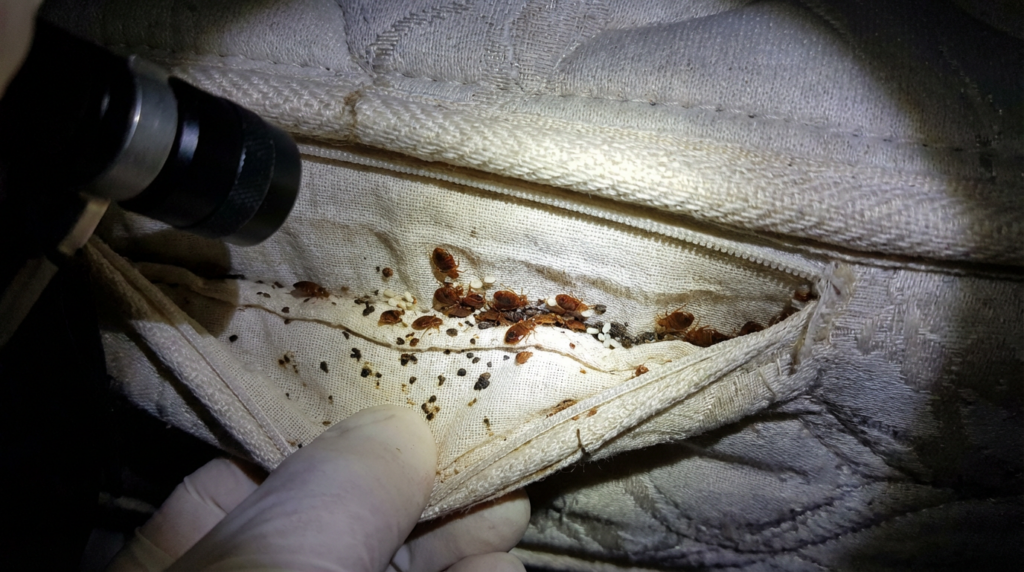
Photos: Take 4–6 clear photos of mattresses, sofa seams, and baseboards to speed up the initial triage.
Identify Constraints: Note any people with respiratory issues or indoor pets so the plan can be tailored for safety.
Laundry: Bag and label visible laundry to reduce handling time and avoid cross-contamination.
Ready to Eliminate Bed Bugs for Good?
Contact Bugz Bug Me Bed Bug Control in Indianapolis for a fast, discreet inspection backed by our 2-visit treatment protocol and 30-day warranty. Explore our transparent pricing, check our Indianapolis neighborhood service areas, or call (317) 221-9968 for same-day scheduling.